Close Menu
Healthaidmed
    Facebook X (Twitter) Instagram
    Healthaidmed
    Monday, October 19
    • Home
    • Nutrition
    • Diet
    • Fitness
    • Health
    • Health Tips
    • Dental
    • Hair Loss
    • Contact Us
    Healthaidmed
    • Home
    • Nutrition
    • Diet
    • Fitness
    • Health
    • Health Tips
    • Dental
    • Hair Loss
    • Contact Us
    Home » Cavities Between Teeth in Children: What Rancho Cucamonga Parents Often Miss
    Health

    Cavities Between Teeth in Children: What Rancho Cucamonga Parents Often Miss

    StreamlineBy StreamlineOctober 19, 20267 Mins Read
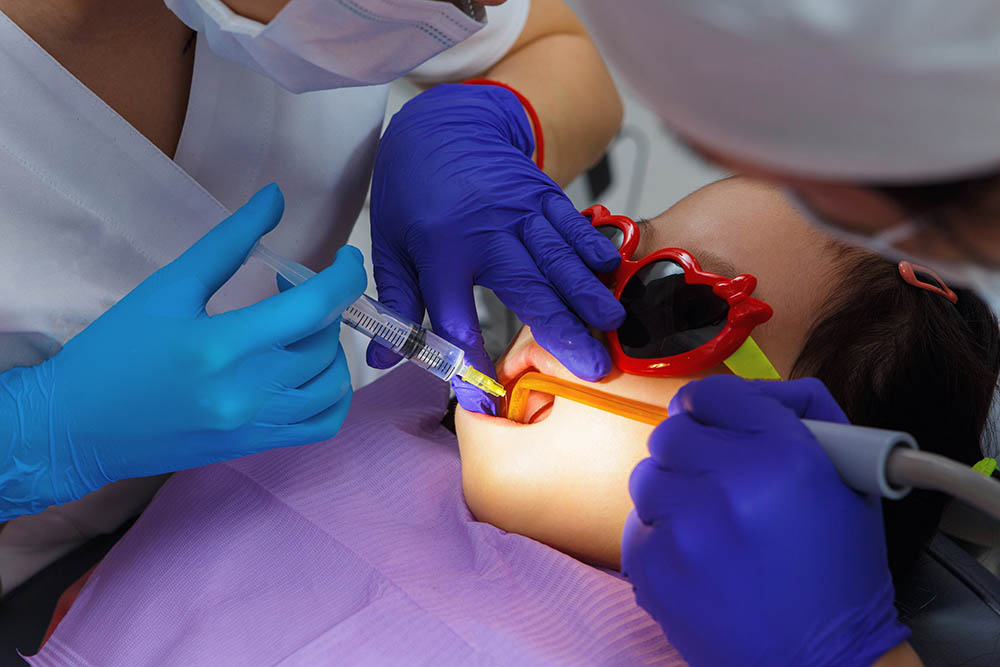
    girl in a dentist seat having fillings performed

    Your child brushes twice a day, rarely complains about tooth pain, and has teeth that look perfectly healthy. Then, during a routine dental appointment, the dentist discovers a cavity between two teeth.

    How could that happen?

    It’s a question pediatric dentists hear regularly. Cavities between teeth, known as interproximal cavities, often develop in areas that parents cannot easily see. Even children with otherwise healthy-looking smiles can experience decay where neighboring teeth touch.

    For families in Rancho Cucamonga, understanding how these hidden cavities form can make everyday dental care more effective and help prevent unexpected treatment.

    Why Cavities Between Teeth Are Easy to Miss

    Most parents check their children’s teeth by looking at the front surfaces. They might notice discoloration, a chipped tooth, or food stuck along the gumline.

    However, the spaces between neighboring teeth are much harder to inspect.

    When teeth sit closely together, toothbrush bristles cannot effectively clean the contact areas.

    Plaque and food particles can accumulate in these narrow spaces, creating conditions that allow bacteria to produce enamel-damaging acids.

    Early decay may develop without causing pain or creating a visible hole.

    By the time a cavity becomes noticeable, the damage may have progressed beyond the earliest stage.

    This is one reason regular pediatric dental examinations remain important, even when children appear to have healthy teeth.

    What Causes Cavities Between Children’s Teeth?

    Interproximal cavities develop through the same basic process as other forms of tooth decay.

    Bacteria in dental plaque metabolize sugars and other fermentable carbohydrates, producing acids that remove minerals from tooth enamel.

    Repeated acid exposure can eventually create a cavity.

    Several factors influence this process.

    Teeth That Fit Closely Together

    As children grow, their teeth may develop tight contact points.

    These contacts make it difficult for toothbrush bristles to reach the surfaces between teeth.

    Flossing becomes particularly important once neighboring teeth begin touching.

    Frequent Snacking

    Children often snack between meals, especially during school days and after extracurricular activities.

    Crackers, cookies, dried fruit, sweetened yogurt, and other carbohydrate-containing foods can contribute to repeated acid exposure.

    The frequency of eating matters because teeth need time to recover between acid attacks.

    Inconsistent Flossing

    Many children brush regularly but rarely floss.

    Without cleaning between teeth, plaque can remain along contact surfaces and near the gums.

    Parents should help younger children floss until they develop the coordination to perform the task effectively.

    Inadequate Fluoride Exposure

    Fluoride helps strengthen enamel and supports remineralization.

    Children who do not receive adequate fluoride exposure may face a greater risk of tooth decay.

    A pediatric dentist can evaluate fluoride needs based on age, drinking water, toothpaste use, and individual cavity risk.

    Why Brushing Alone May Not Be Enough

    Brushing is essential, but a toothbrush cannot reach every surface of the teeth.

    Even excellent brushing technique may leave plaque between teeth that touch.

    Dental floss helps disrupt plaque in these areas.

    Parents should introduce flossing when adjacent teeth begin making contact.

    For younger children, floss picks designed for children may make the process easier, although traditional floss can also work well.

    The goal is to clean gently along the sides of both neighboring teeth without snapping floss into the gums.

    A children’s dentist in Rancho Cucamonga can demonstrate age-appropriate flossing techniques during a routine appointment.

    How Pediatric Dentists Find Hidden Cavities

    Because interproximal decay often develops out of sight, visual examinations alone may not reveal every cavity.

    Pediatric dentists use several methods to evaluate these areas.

    Clinical Dental Examination

    The dentist examines visible tooth surfaces, gum health, and areas where food or plaque may accumulate.

    They may identify changes that suggest an increased risk of decay.

    Bitewing Dental X-Rays

    Bitewing X-rays help dentists examine the crowns of upper and lower teeth and detect decay between neighboring teeth.

    These images can reveal cavities that are difficult to identify through direct observation.

    However, children do not automatically need X-rays at every visit.

    The dentist recommends imaging based on cavity risk, previous dental history, clinical findings, and other relevant factors.

    Individualized Cavity Risk Assessment

    A pediatric dental exam may also include reviewing the child’s diet, fluoride exposure, previous cavities, and oral hygiene habits.

    These findings help the dentist determine whether additional preventive care or monitoring is appropriate.

    Can Cavities Between Teeth Heal Without Fillings?

    Some early areas of enamel demineralization can be arrested or remineralized before a physical cavity forms.

    When dentists identify noncavitated lesions, they may recommend fluoride treatments, improved plaque control, and changes to dietary habits.

    These strategies can help strengthen enamel and reduce further mineral loss.

    However, once decay progresses and the tooth develops a cavity that cannot be effectively cleaned or maintained, restorative treatment may become necessary.

    The appropriate approach depends on the lesion’s severity, activity, location, and the child’s overall cavity risk.

    Parents should not assume that every suspicious area requires immediate drilling, but they also should not delay recommended treatment without discussing the risks.

    Are Cavities Between Baby Teeth Serious?

    Yes. Baby teeth remain important even though they eventually fall out.

    Primary molars help children chew comfortably and preserve space for developing permanent teeth.

    Untreated decay between baby teeth can progress into deeper tooth structures and potentially cause pain or infection.

    In severe cases, premature tooth loss may affect spacing for permanent teeth.

    Because primary teeth have different anatomical characteristics than permanent teeth, some cavities can progress relatively quickly.

    Timely evaluation and appropriate treatment help preserve oral function and reduce complications.

    How to Help Kids Floss Every Day

    Convincing children to floss consistently can feel challenging, especially when they are tired after a long day.

    Instead of treating flossing as an occasional extra step, make it part of the family’s regular bedtime routine.

    Start by demonstrating the technique.

    Use a mirror so children can see where the floss should go.

    For younger children, parents should perform or assist with flossing rather than expecting them to manage independently.

    Consider keeping child-friendly floss picks in an accessible bathroom drawer.

    Praise consistency and effort instead of expecting perfect technique immediately.

    As children become more independent, continue checking whether they clean between all contacting teeth.

    Small daily habits can make a meaningful difference over time.

    Do Healthy Snacks Prevent Cavities?

    Food choices play an important role in children’s dental health, but no single snack guarantees cavity prevention.

    Parents can reduce frequent sugar exposure by offering balanced meals and planned snacks.

    Cheese, plain yogurt, vegetables, and other nutritious foods can fit into a tooth-friendly eating routine.

    Water is generally a better everyday beverage choice than soda, sports drinks, or sweetened juice.

    Parents should also consider how often children eat.

    Constant grazing can expose teeth to repeated acid attacks throughout the day.

    Creating predictable meal and snack times may help reduce this exposure.

    What Happens if a Child Needs a Filling Between Teeth?

    When a cavity requires restoration, the pediatric dentist evaluates the tooth and selects an appropriate treatment.

    For smaller cavities, tooth-colored composite fillings may restore the damaged area.

    Larger cavities in primary molars may require different restorative materials or crowns, depending on the amount of remaining tooth structure.

    The dentist considers the child’s age, cavity severity, tooth development, and ability to tolerate treatment.

    After restoring the tooth, the dental team may recommend additional preventive measures to reduce the likelihood of new cavities.

    Treating one cavity does not eliminate the need for ongoing flossing and preventive care.

    Children’s Dental Care in Rancho Cucamonga, CA

    Parents throughout Rancho Cucamonga, Alta Loma, Etiwanda, and surrounding communities can benefit from dental care that emphasizes early cavity detection and prevention.

    A pediatric dentist in Rancho Cucamonga, CA, can evaluate hard-to-see areas between teeth, recommend appropriate dental imaging, and help families improve daily oral hygiene routines.

    During a children’s dental checkup, parents can ask whether their child’s teeth have developed tight contacts and which areas need additional attention during flossing.

    Understanding these details makes it easier to create an effective home-care routine.

    Healthy Teeth Need More Than a Quick Brush

    Cavities between teeth can develop quietly, even when a child’s smile looks healthy.

    Fortunately, consistent flossing, twice-daily brushing with fluoride toothpaste, balanced eating habits, and routine pediatric dental examinations can significantly reduce the risk.

    Parents do not need to become dental experts. They simply need to recognize that some of the most vulnerable tooth surfaces are also the hardest to see.

    If your child hasn’t had a recent dental examination, consider scheduling a pediatric dental checkup in Rancho Cucamonga, CA.

    A thorough evaluation can help identify hidden concerns, strengthen preventive habits, and keep your child’s smile healthy as they grow.

    Previous ArticleSEO Audit for Health Websites: A Practical Guide
    Don't Miss

    Cavities Between Teeth in Children: What Rancho Cucamonga Parents Often Miss

    By StreamlineOctober 19, 2026

    Your child brushes twice a day, rarely complains about tooth pain, and has teeth that look perfectly healthy. Then, during a routine dental appointment, the dentist discovers a cavity between two teeth.How could that happen?It’s a question pediatric dentists hear regularly. Cavities between teeth, known as interproximal cavities, often develop in areas that parents cannot easily see. Even children with otherwise healthy-looking smiles can experience decay where neighboring teeth touch.For families in Rancho Cucamonga, understanding how these hidden cavities form can make everyday dental care more effective and help prevent unexpected treatment.Why Cavities Between Teeth Are Easy to MissMost parents check their children’s teeth by looking at the front surfaces. They might notice discoloration, a chipped tooth, or food stuck along the gumline.However, the spaces between neighboring teeth are much harder to inspect.When teeth sit closely together, toothbrush bristles cannot effectively clean the contact areas.Plaque and food particles can accumulate in these narrow spaces, creating conditions that allow bacteria to produce enamel-damaging acids.Early decay may develop without causing pain or creating a visible hole.By the time a cavity becomes noticeable, the damage may have progressed beyond the earliest stage.This is one reason regular pediatric dental examinations remain important, even when children appear to have healthy teeth.What Causes Cavities Between Children’s Teeth?Interproximal cavities develop through the same basic process as other forms of tooth decay.Bacteria in dental plaque metabolize sugars and other fermentable carbohydrates, producing acids that remove minerals from tooth enamel.Repeated acid exposure can eventually create a cavity.Several factors influence this process.Teeth That Fit Closely TogetherAs children grow, their teeth may develop tight contact points.These contacts make it difficult for toothbrush bristles to reach the surfaces between teeth.Flossing becomes particularly important once neighboring teeth begin touching.Frequent SnackingChildren often snack between meals, especially during school days and after extracurricular activities.Crackers, cookies, dried fruit, sweetened yogurt, and other carbohydrate-containing foods can contribute to repeated acid exposure.The frequency of eating matters because teeth need time to recover between acid attacks.Inconsistent FlossingMany children brush regularly but rarely floss.Without cleaning between teeth, plaque can remain along contact surfaces and near the gums.Parents should help younger children floss until they develop the coordination to perform the task effectively.Inadequate Fluoride ExposureFluoride helps strengthen enamel and supports remineralization.Children who do not receive adequate fluoride exposure may face a greater risk of tooth decay.A pediatric dentist can evaluate fluoride needs based on age, drinking water, toothpaste use, and individual cavity risk.Why Brushing Alone May Not Be EnoughBrushing is essential, but a toothbrush cannot reach every surface of the teeth.Even excellent brushing technique may leave plaque between teeth that touch.Dental floss helps disrupt plaque in these areas.Parents should introduce flossing when adjacent teeth begin making contact.For younger children, floss picks designed for children may make the process easier, although traditional floss can also work well.The goal is to clean gently along the sides of both neighboring teeth without snapping floss into the gums.A children’s dentist in Rancho Cucamonga can demonstrate age-appropriate flossing techniques during a routine appointment.How Pediatric Dentists Find Hidden CavitiesBecause interproximal decay often develops out of sight, visual examinations alone may not reveal every cavity.Pediatric dentists use several methods to evaluate these areas.Clinical Dental ExaminationThe dentist examines visible tooth surfaces, gum health, and areas where food or plaque may accumulate.They may identify changes that suggest an increased risk of decay.Bitewing Dental X-RaysBitewing X-rays help dentists examine the crowns of upper and lower teeth and detect decay between neighboring teeth.These images can reveal cavities that are difficult to identify through direct observation.However, children do not automatically need X-rays at every visit.The dentist recommends imaging based on cavity risk, previous dental history, clinical findings, and other relevant factors.Individualized Cavity Risk AssessmentA pediatric dental exam may also include reviewing the child’s diet, fluoride exposure, previous cavities, and oral hygiene habits.These findings help the dentist determine whether additional preventive care or monitoring is appropriate.Can Cavities Between Teeth Heal Without Fillings?Some early areas of enamel demineralization can be arrested or remineralized before a physical cavity forms.When dentists identify noncavitated lesions, they may recommend fluoride treatments, improved plaque control, and changes to dietary habits.These strategies can help strengthen enamel and reduce further mineral loss.However, once decay progresses and the tooth develops a cavity that cannot be effectively cleaned or maintained, restorative treatment may become necessary.The appropriate approach depends on the lesion’s severity, activity, location, and the child’s overall cavity risk.Parents should not assume that every suspicious area requires immediate drilling, but they also should not delay recommended treatment without discussing the risks.Are Cavities Between Baby Teeth Serious?Yes. Baby teeth remain important even though they eventually fall out.Primary molars help children chew comfortably and preserve space for developing permanent teeth.Untreated decay between baby teeth can progress into deeper tooth structures and potentially cause pain or infection.In severe cases, premature tooth loss may affect spacing for permanent teeth.Because primary teeth have different anatomical characteristics than permanent teeth, some cavities can progress relatively quickly.Timely evaluation and appropriate treatment help preserve oral function and reduce complications.How to Help Kids Floss Every DayConvincing children to floss consistently can feel challenging, especially when they are tired after a long day.Instead of treating flossing as an occasional extra step, make it part of the family’s regular bedtime routine.Start by demonstrating the technique.Use a mirror so children can see where the floss should go.For younger children, parents should perform or assist with flossing rather than expecting them to manage independently.Consider keeping child-friendly floss picks in an accessible bathroom drawer.Praise consistency and effort instead of expecting perfect technique immediately.As children become more independent, continue checking whether they clean between all contacting teeth.Small daily habits can make a meaningful difference over time.Do Healthy Snacks Prevent Cavities?Food choices play an important role in children’s dental health, but no single snack guarantees cavity prevention.Parents can reduce frequent sugar exposure by offering balanced meals and planned snacks.Cheese, plain yogurt, vegetables, and other nutritious foods can fit into a tooth-friendly eating routine.Water is generally a better everyday beverage choice than soda, sports drinks, or sweetened juice.Parents should also consider how often children eat.Constant grazing can expose teeth to repeated acid attacks throughout the day.Creating predictable meal and snack times may help reduce this exposure.What Happens if a Child Needs a Filling Between Teeth?When a cavity requires restoration, the pediatric dentist evaluates the tooth and selects an appropriate treatment.For smaller cavities, tooth-colored composite fillings may restore the damaged area.Larger cavities in primary molars may require different restorative materials or crowns, depending on the amount of remaining tooth structure.The dentist considers the child’s age, cavity severity, tooth development, and ability to tolerate treatment.After restoring the tooth, the dental team may recommend additional preventive measures to reduce the likelihood of new cavities.Treating one cavity does not eliminate the need for ongoing flossing and preventive care.Children’s Dental Care in Rancho Cucamonga, CAParents throughout Rancho Cucamonga, Alta Loma, Etiwanda, and surrounding communities can benefit from dental care that emphasizes early cavity detection and prevention.A pediatric dentist in Rancho Cucamonga, CA, can evaluate hard-to-see areas between teeth, recommend appropriate…

    SEO Audit for Health Websites: A Practical Guide

    October 14, 2026

    Hidden Gems Around Hong Kong

    September 3, 2026

    Treatment for Sleep Apnea: What Actually Helps

    August 22, 2026
    Facebook X (Twitter) Instagram
    Copyright © 2024. All Rights Reserved By Healthaidmed

    Type above and press Enter to search. Press Esc to cancel.