

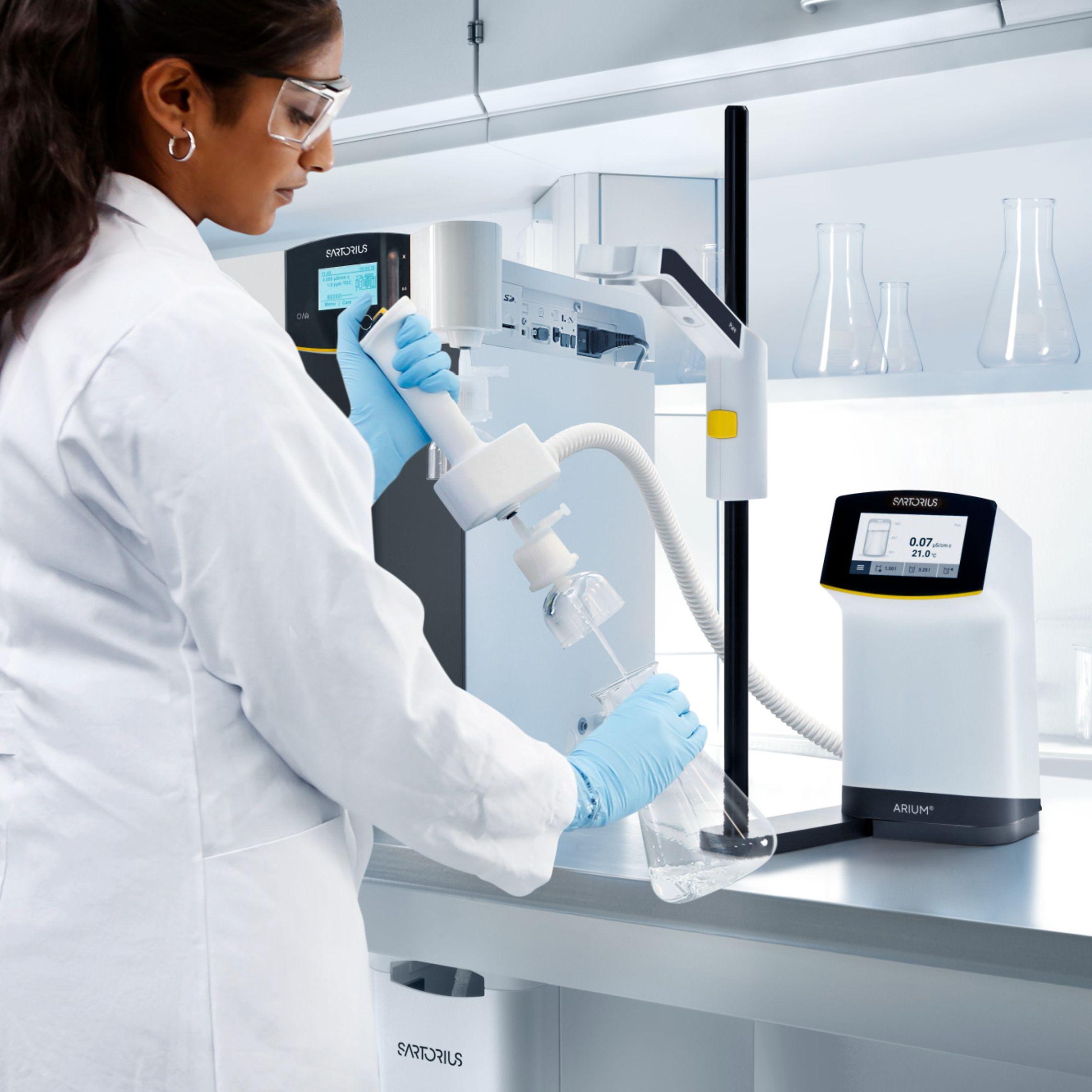
Water is easy to overlook in a laboratory because it appears in so many ordinary tasks. Yet its composition can influence analytical measurements when a method depends on carefully controlled conditions. A researcher exploring options to buy BPC-157 peptide should distinguish questions about the research material from questions about the water used elsewhere in the workflow. Neither a tidy workspace nor a familiar purification unit proves every preparation is suitable. Understanding water quality helps teams investigate uncertainty before assigning meaning to unexpected results.
Know What Water Grades Mean
Laboratories use different water specifications because not every task requires the same properties. Water appropriate for general cleaning may be unsuitable for a sensitive analytical procedure. The relevant specifications can address ionic content, organic residues, particles, or other characteristics, depending on the application. Researchers should consult method requirements and institutional guidance rather than selecting water by an informal label alone. A water grade describes defined expectations, not an assurance that every outlet, container, or stored portion will behave identically throughout its working life.
Watch for Changes After Purification
Purification is only one stage in the journey from a treatment system to an experimental vessel. Water may encounter storage containers, distribution lines, or handling practices that affect its condition. That possibility makes collection points and storage histories relevant to some analytical investigations. Staff should know where approved water is obtained and how its suitability is assessed for their procedures. If a system alert or unusual measurement appears, preserving the associated records is more useful than assuming that clear-looking water must be acceptable.
Separate Material Claims From Methods
Assessing analytical reliability involves questions that customer feedback cannot answer. For instance, pura peptides epitalon reviews may offer perspectives on purchasing experiences, but evaluating whether laboratory water affected a measurement requires independent technical evidence. Supplier assessment and method performance require different forms of evidence. Even a research material supported by relevant documents may be evaluated through an unsuitable analytical process. Researchers should therefore examine the method’s water requirements alongside its controls, instrument performance, and recorded deviations. This separation keeps interpretation grounded in the experiment rather than reputation.
Look Beyond a Single Reading
A water quality indicator can be informative without describing every property that matters to a method. One acceptable reading should not automatically override other concerns, especially where the procedure specifies additional checks. Laboratories can examine trends from relevant monitoring records rather than interpreting each value in isolation. A gradual change may raise different questions from a sudden unusual result. Reviewers should also consider whether the monitoring location reflects the water actually used. Context turns a number into evidence instead of a reassuring symbol.
Document the Point of Use
An analytical record is stronger when colleagues can identify the water source relevant to a measurement. Depending on the method, that may include an outlet identifier, a collection date, or a link to appropriate monitoring information. Researchers need not add unnecessary paperwork to every routine task. They should preserve details that could materially affect interpretation. When a result becomes disputed months later, a traceable point of use offers a practical place to investigate, rather than a vague memory that purified water was available somewhere.
Investigate Anomalies Without Quick Assumptions
Suppose a laboratory observes an unexpected analytical signal shortly after maintenance on its water system. The timing suggests a question worth examining, but it does not prove a connection. Equipment settings, reagents, sample preparation, and analytical interference may offer alternative explanations. Teams should document the observation, preserve relevant records, and follow approved procedures for technical review. Changing several conditions at once can make the cause harder to establish. A disciplined investigation aims to understand the evidence, not to confirm the first plausible story.
Make Ownership Clear Across Teams
Water systems may be maintained by facilities personnel while their output supports work performed by several research groups. That division can create gaps when no one knows who receives alerts or authorizes follow-up. Laboratories should define responsibility for monitoring, maintenance communication, and decisions that affect analytical use. Researchers also need a way to report concerns without improvising technical fixes. Shared ownership does not mean everyone performs every check. It means each person can identify the appropriate contact when an unfamiliar problem appears.
Conclusion
Water is rarely the headline of a research project, but it can influence the quality of the evidence collected. Its relevance depends on the analytical method, making careful assessment more useful than assuming every clear sample of water is equally suitable. purapeptides.com provides research-focused product listings; the water used in laboratory procedures remains a separate technical consideration. Before searching for complicated explanations for an unexpected signal, investigators may benefit from examining this ordinary resource. Sometimes the least noticeable component deserves the most revealing question.